// resources
The Blog
Inventory tips, small business guides, and product updates.
Try Live DemoExplore a real store. No signup needed.
Subscribe to our Blog
Get the latest inventory tips and updates delivered directly to your inbox.
Download the Free Guide
Solving Inventory Pain: What 20 Years of Running 15 Stores Taught Me

September 17, 2026
Why Does My Inventory Order Keep Getting Bigger Even When Sales Aren't?
Rising order sizes with flat sales usually mean waste and shrink are being absorbed as usage, pars were set too high, or ordering is driven by shelf space instead of need. Here is how to find the leak.

September 17, 2026
Why Are My Locations Ordering So Differently When They Sell Similar Amounts?
Similar locations with wildly different orders usually differ in delivery schedules, menus, count timing, par levels, or hidden losses. Here is how to compare locations fairly and standardize what should be standard.

September 17, 2026
Why Does Inventory Take My Managers So Long Every Week?
Long weekly counts usually mean counting during busy hours, counting dead stock, re-entering paper counts, and hunting for items. Here is how to cut count time without cutting accuracy.

September 17, 2026
Why Are My Managers Ordering Different Amounts for the Same Store?
When managers at the same location order different quantities for the same items, the cause is usually missing standards, not bad judgment. Here is how to build one shared ordering baseline.

September 17, 2026
Why Am I Always Running Out of the Same Inventory Items?
If the same few items run out week after week, the cause is usually stale par levels, rising usage, or product leaving without being recorded. Here is how to find which one applies to you.

September 17, 2026
We Count Inventory Every Week. Why Are Our Numbers Still Wrong?
Frequent counts with bad numbers usually mean inconsistent count methods, timing problems with deliveries, unit-of-measure confusion, or unrecorded movement. Here is how to find the leak in your count.

September 17, 2026
My Storeroom Is Full, So Why Do We Still Keep Running Out of Things?
A full storeroom with constant stockouts almost always means the wrong mix: slow movers are overstocked while fast movers are understocked. Here is how to rebalance the mix.

September 17, 2026
Why Does Inventory Fall Apart When My Best Manager Is Off?
When inventory depends on one person, the process lives in their head. Here is how to turn one person's skill into a store system that survives vacations, sick days, and turnover.

September 17, 2026
I Know We're Wasting Inventory. How Do I Figure Out Where It's Happening?
You suspect waste but cannot locate it. The answer is a categorized waste log plus a comparison of purchases against usage. Here is how to find the leak by category, station, and day of week.

September 17, 2026
Why Do I Find Boxes of Inventory Nobody Remembers Ordering?
Mystery boxes usually mean too many people can order, standing orders run on autopilot, distributor reps add items, or orders happen by phone and text without a record. Here is how to close the gaps.

September 3, 2026
Inventory Software for Small Business: Skip the Complexity
Compare simple inventory software for small businesses, including spreadsheets, weekly counting, PAR-based ordering, barcode scanning, offline use, and multi-location workflows.

September 3, 2026
Barcode Inventory Guide: What Small Business Operators Need to Know
Learn when barcode inventory scanning helps, when manual counting is better, how to create internal barcodes, and how small businesses can use both methods.
September 3, 2026
Inventory Training for Small Teams: Build a Routine That Sticks
Train a small team to count inventory consistently with clear ownership, standardized units, backup counters, variance documentation, and a repeatable weekly routine.
September 3, 2026
Inventory Turnover Ratio: What It Actually Tells You
Learn what inventory turnover ratio means, how to calculate it, and how reliable weekly inventory counts support better ordering, cash flow, and inventory decisions.

September 3, 2026
Coffee Shop Inventory Management That Actually Works
Build a practical weekly coffee shop inventory system using consistent counts, PAR-based ordering, seasonal adjustments, and a repeatable team routine.
September 3, 2026
Inventory Shrinkage Tracking: Find What Is Missing Before It Adds Up
Learn how to track inventory shrinkage with weekly counts, accurate receiving, waste logs, variance investigation, and consistent inventory records.

September 3, 2026
Gym Inventory Management: Keep Your Operation Running Smooth
Build a practical gym inventory management routine with weekly counts, PAR-based ordering, shrinkage tracking, seasonal adjustments, and consistent units.
September 3, 2026
Inventory Discrepancy: A Practical Investigation Process
Learn how to investigate inventory discrepancies with a practical six-step process covering recounts, receiving, usage records, waste, data entry, and recurring variance patterns.

September 3, 2026
Salon Inventory Management: Keep Your Stations Stocked
Build a practical salon inventory management routine for back-bar products, retail items, color supplies, disposables, and weekly PAR-based ordering.

September 3, 2026
Boutique Inventory Management: Count What Sells
Build a practical boutique inventory management routine with weekly SKU counts, multi-location consistency, packaging tracking, and data-driven ordering.

September 2, 2026
Why Does Monthly Inventory Make Ordering Harder for Small Businesses?
Monthly inventory counts give small businesses information too late to guide the next order. A weekly count creates a shorter feedback loop for better reorder decisions.
August 12, 2026
How to Handle Inventory With Multiple Suppliers
Count once, order separately by supplier. Here is how to handle inventory with multiple suppliers and different delivery schedules.
August 12, 2026
How to Count Inventory With Your Phone: A Practical Guide
Counting inventory on your phone replaces clipboard, spreadsheet, and calculator with one app. Here is how it works.

August 12, 2026
TrackItWeekly vs Sortly: Which Is Better for Small Business Inventory?
TrackItWeekly and Sortly both track inventory but solve different problems. Here is which one fits your workflow.

August 12, 2026
I Run a Gym. How Do I Track Retail Inventory?
Gym retail inventory tracking in 15 to 30 minutes a week. Prevent expired supplements and deadstock merchandise with a simple weekly count.

August 12, 2026
I Run a Food Truck. Do I Need Inventory Tracking?
Food trucks carry 50 to 100 items and the weekly count takes 5 to 15 minutes. The biggest problem is the daily reactive supply run.

August 12, 2026
I Run a Coffee Shop. How Do I Start Tracking Inventory?
Coffee shop inventory tracking starts with one weekly count. Here is what to track, how often to count, and how to handle multiple suppliers.

August 12, 2026
How to Scale Inventory Beyond 200 Items
At 200+ items, manual systems break down. Here is how to scale with weekly counts under 90 minutes, auto-PAR levels, and multi-supplier ordering.

August 12, 2026
Do I Need Inventory Tracking for 50 Items?
50 items or fewer? The count takes 5 to 15 minutes and the impact per item is higher. Here is why small operations benefit most from tracking.
August 12, 2026
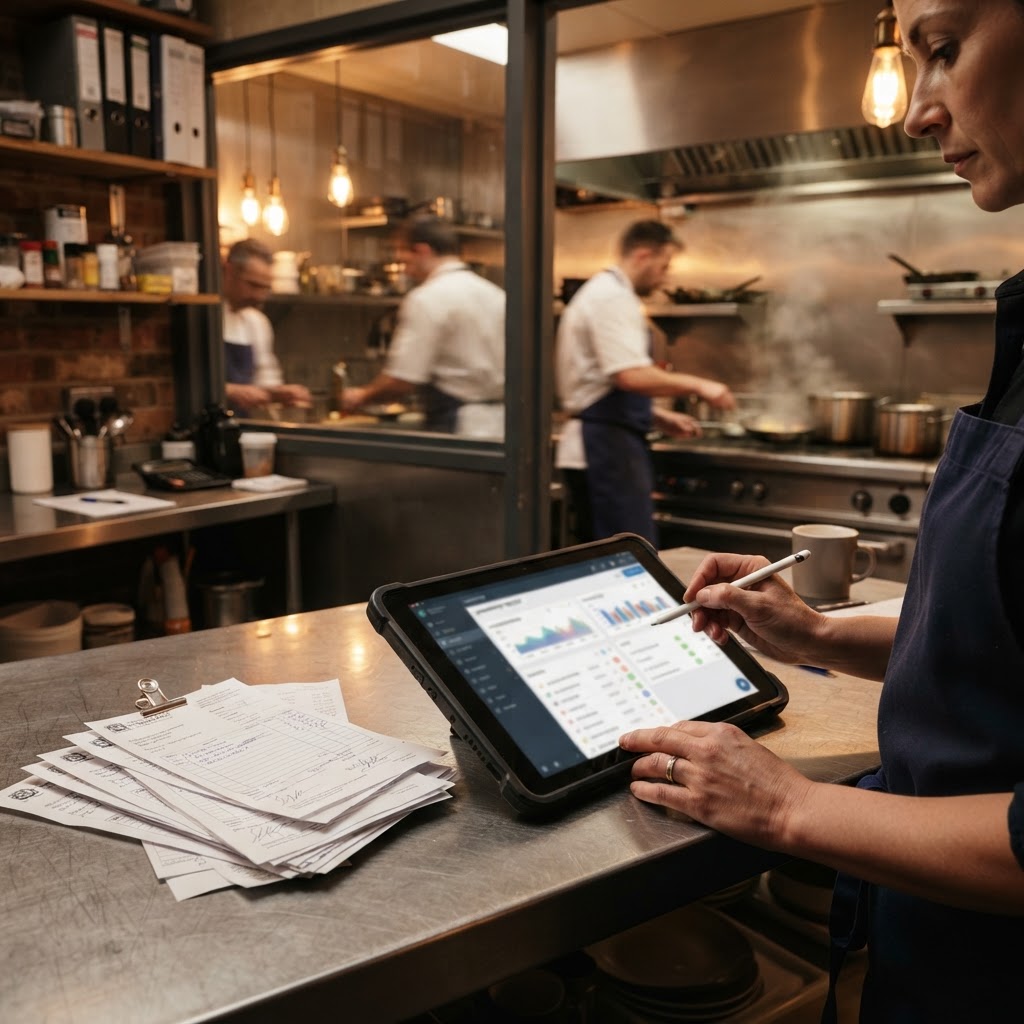
TrackItWeekly vs MarketMan: Which Is Better for Restaurant Inventory?
TrackItWeekly and MarketMan both track restaurant inventory, but they serve different operators. Here is which one fits your workflow.
August 12, 2026
What Is Inventory Accountability and Why Does It Matter?
Inventory accountability means having a record of every count, every order, and every usage trend. Here is what it means and how to build it.

August 12, 2026
Okay, I'm Ready. What Do I Do Now?
You already did the hard part. You understand the system. Here is how to move from spreadsheet to app without starting over.
August 12, 2026
Why You Are Over-Ordering Inventory (And How It Is Costing You)
Over-ordering happens when managers order from fear instead of data. Here is how to stop it and what it actually costs.

August 11, 2026
How Often Should a Cafe Count Inventory When You Use Multiple Suppliers?
Learn how often a cafe should count inventory when supplies come from multiple vendors, including a practical weekly process for coffee, food, and disposables.
August 11, 2026
Why You Are Over-Ordering Inventory (And How Much It Is Costing You)
Over-ordering happens when managers order from fear instead of data. Here is how to stop it and what it actually costs.
August 11, 2026
Why Good Managers Still Over-Order Inventory
Over-ordering happens when managers order from fear instead of data. Learn how weekly counts, PAR levels, and usage data reduce waste and improve reorder decisions.
August 11, 2026
How Do Small Cafes Track Inventory When They Use Multiple Suppliers?
A practical weekly inventory rhythm for cafes buying from several suppliers with different order days, lead times, pack sizes, and minimums.
August 11, 2026
Why Do Managers Make Blind Inventory Orders?
Blind ordering happens when a manager reorders without counting stock first. Here is why it happens, what it costs, and how a weekly count-then-order process fixes it.

August 9, 2026
State of Weekly Inventory: A 5-Location QSR COGS Analysis
Across 5 QSR locations, COGS as a percent of sales fell from 15.44% to 15.01% year over year while sales grew 2.45%. Aggregate weekly-count data.

August 9, 2026
The Steady Grinder: A QSR Location That Cut COGS 9.7% With Small Weekly Wins
A QSR snack brand cut COGS 9.7% year over year (15.67% to 15.34% margin) through consistent weekly counting and incremental PAR corrections.

August 9, 2026
Holding COGS When Sales Drop: A QSR Snack Brand Case Study
A QSR snack brand saw sales fall 5.7% but held COGS margin virtually flat (14.94% to 14.97%) by adjusting PAR levels from weekly count data.

August 9, 2026
Scaling Sales Without Scaling COGS: A QSR Multi-Brand Case Study
A QSR multi-brand location grew sales 21.6% while COGS as a percent of sales rose only 0.17 points, using weekly counts with rolling-average PAR.

August 9, 2026
How a QSR Bakery Location Cut COGS Margin by Nearly 3 Percentage Points
A QSR bakery location cut COGS from 20.6% to 17.7% of sales in under a year using weekly inventory counts and PAR-level adjustments. Real data.

August 9, 2026
The TRACK Method: A Weekly Inventory Loop Built by an Operator
The TRACK Method is a five-step weekly inventory loop that turns physical counts into reorder decisions and accountability for operators.
August 8, 2026
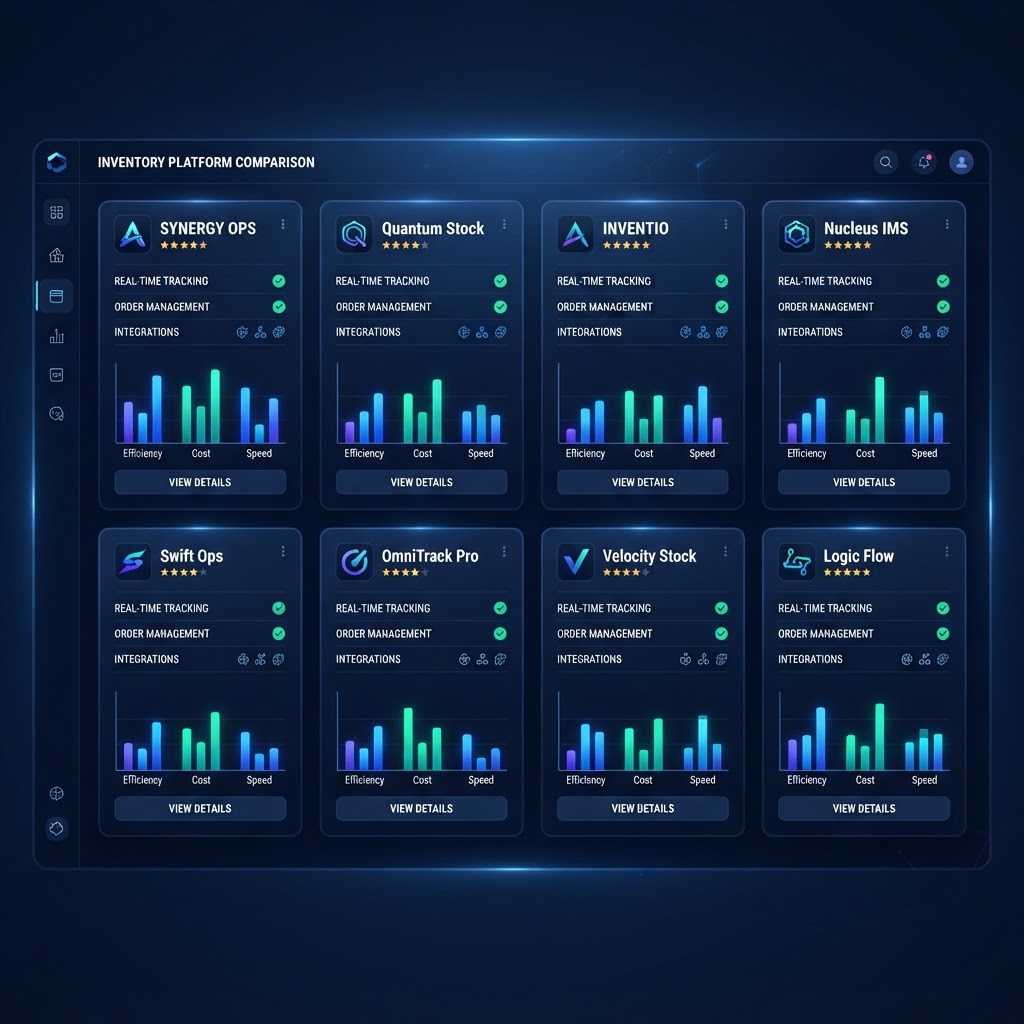
8 Best Inventory Management Software of 2026
Compare the 8 best inventory management software of 2026: TrackItWeekly, Sortly, Zoho, inFlow, MarketMan, Square, Lightspeed, and Fishbowl. Find the right tool for weekly counting, e-commerce, or restaurants.
August 8, 2026
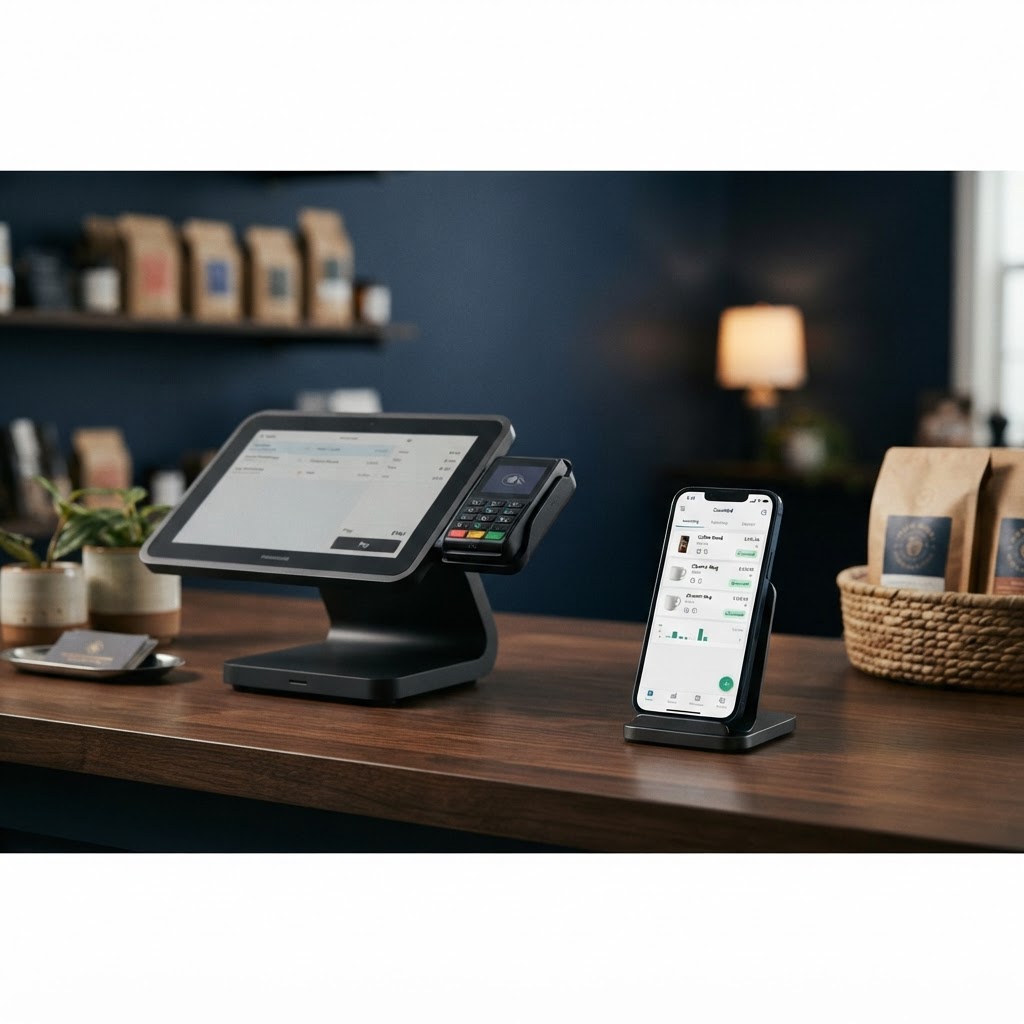
Inventory Management That Works Alongside Clover POS
Clover POS has basic inventory but lacks PAR levels and vendor orders. TrackItWeekly adds weekly counting, auto-PAR, and vendor-ready emails alongside Clover. From $19/month.
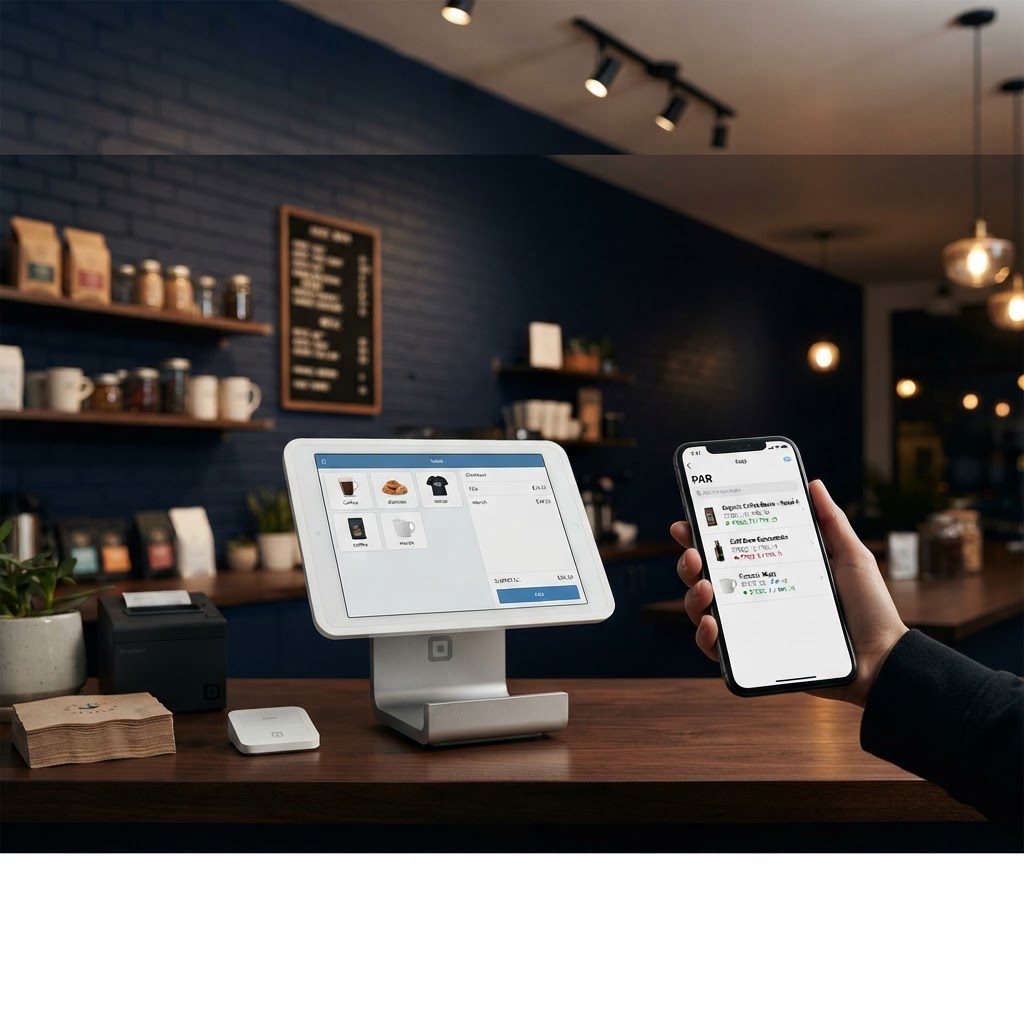
August 8, 2026
How to Track PAR Levels Alongside Square POS
Square POS tracks stock but not PAR levels or vendor orders. TrackItWeekly adds auto-calculated PAR levels, weekly counting, and vendor-ready emails alongside Square. From $19/month.
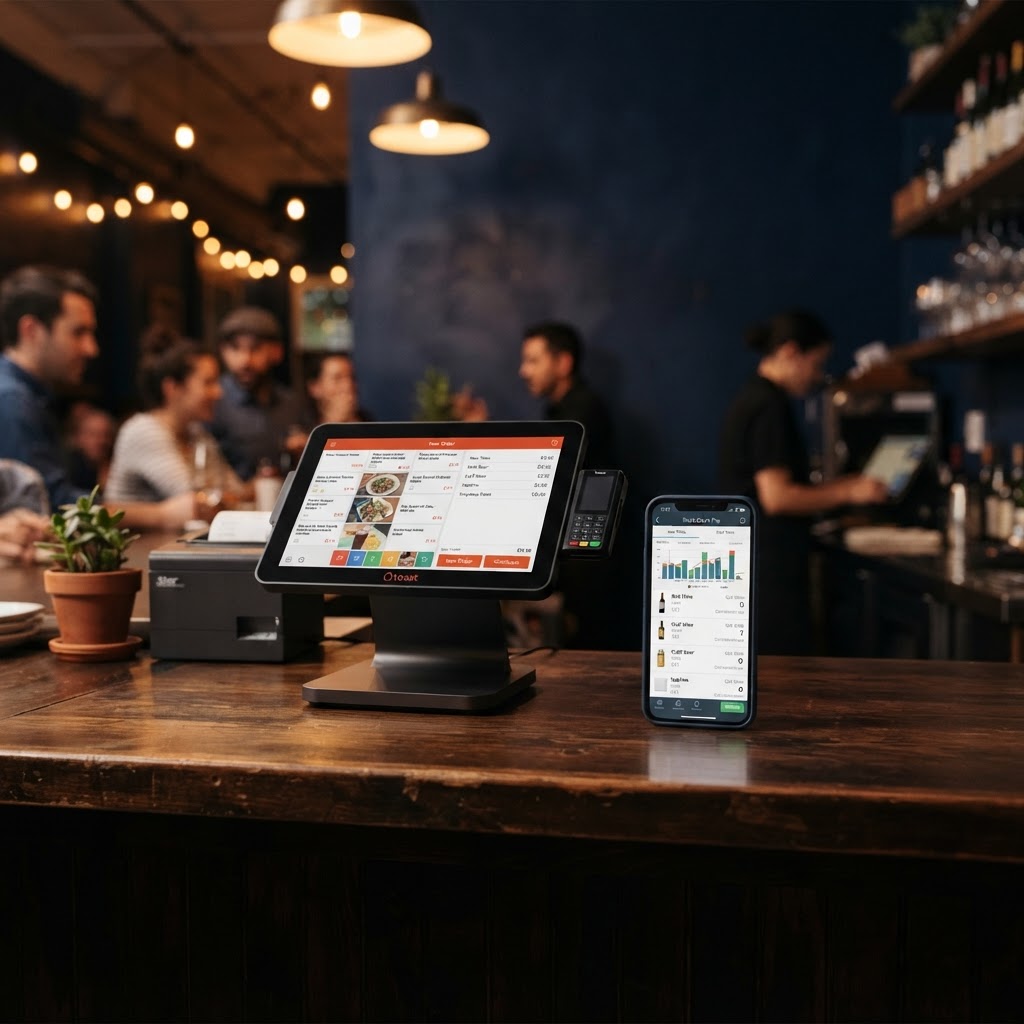
August 8, 2026
The Missing Weekly Inventory Layer for Toast POS
Toast POS handles sales but not weekly counting or vendor orders. TrackItWeekly adds PAR levels, offline counting, and vendor-ready emails alongside Toast. From $19/month.

August 8, 2026
Why Most Inventory Software Is Either Too Simple or Too Complex for Small Business
Most small business inventory software is either too simple (spreadsheets) or too complex (MarketMan, ERP). TrackItWeekly sits in the middle: structured counting, PAR levels, and vendor orders for $19/month.

August 8, 2026
Best Inventory Software for Small Retail Stores on a Budget in 2026
Compare budget-friendly inventory software for small retail. TrackItWeekly, Sortly, Zoho, Square, and Google Sheets on price, PAR levels, and ordering.

August 8, 2026
Best Inventory App for Gyms and Fitness Studios in 2026
Compare the best inventory apps for gyms. TrackItWeekly, Mindbody, Sortly compared on supplement tracking, mobile counting, and vendor ordering.

August 8, 2026
Best Inventory Software for Multi-Location Franchise Operators in 2026
Compare inventory solutions for multi-location franchise operators. TrackItWeekly, MarketMan, Toast, and spreadsheets on remote ordering, accountability, and cost.

August 8, 2026
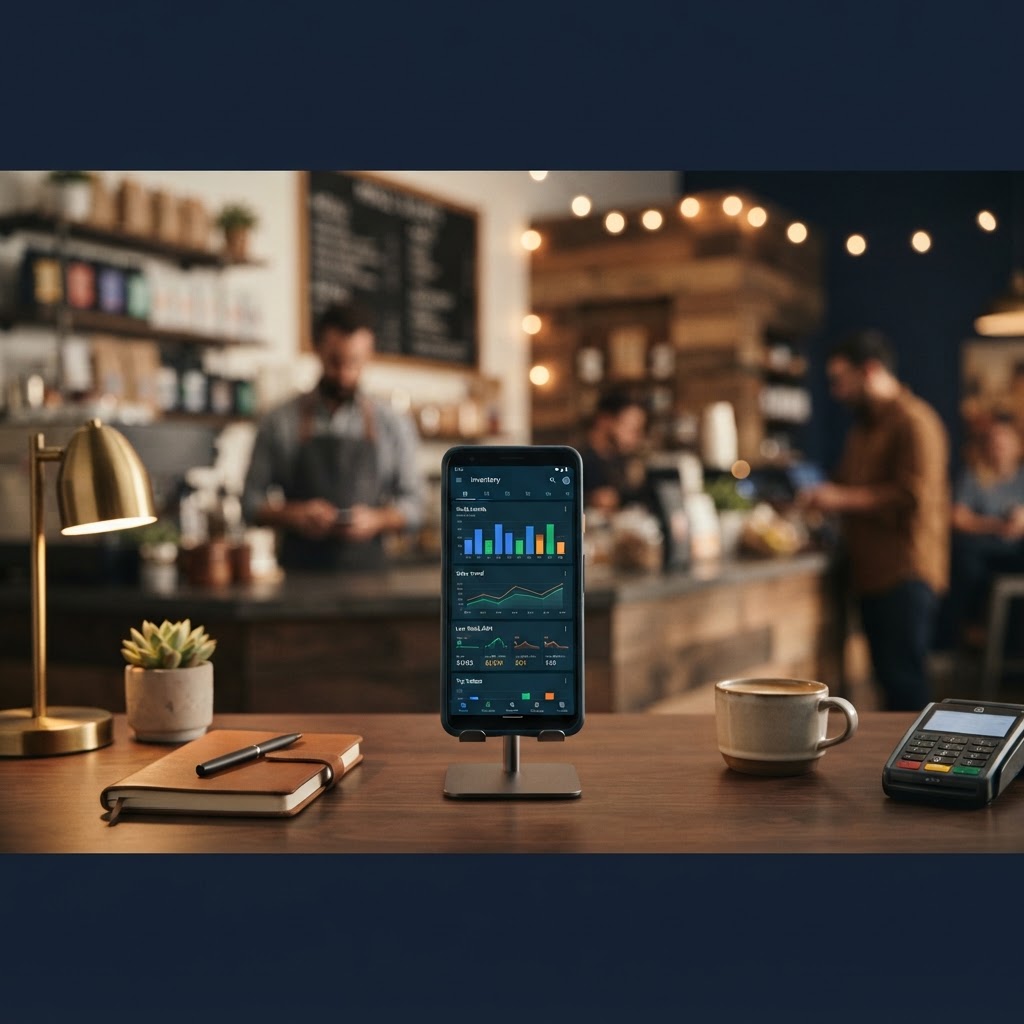
Best Inventory App for Food Trucks in 2026
Compare the best inventory apps for food trucks. TrackItWeekly, Sortly, MarketMan, and Google Sheets compared on mobile counting, offline mode, and multi-supplier ordering.
August 8, 2026
Best Inventory Management Software for Small Businesses in 2026
Compare the top 5 inventory management tools for small business. TrackItWeekly, Sortly, inFlow, Zoho, and MarketMan compared by price, features, and best use case.

August 7, 2026
How Often Should a Small Business Count Inventory?
Most small businesses should count inventory once a week. Weekly counting matches delivery cadence, catches shrinkage early, and produces fresh data for ordering decisions.

August 6, 2026
The Feature Arms Race Nobody Asked For
Inventory apps keep adding AI, RFID, and real-time sync to justify higher prices. Small operators just need to know what they have, used, and order.

August 6, 2026
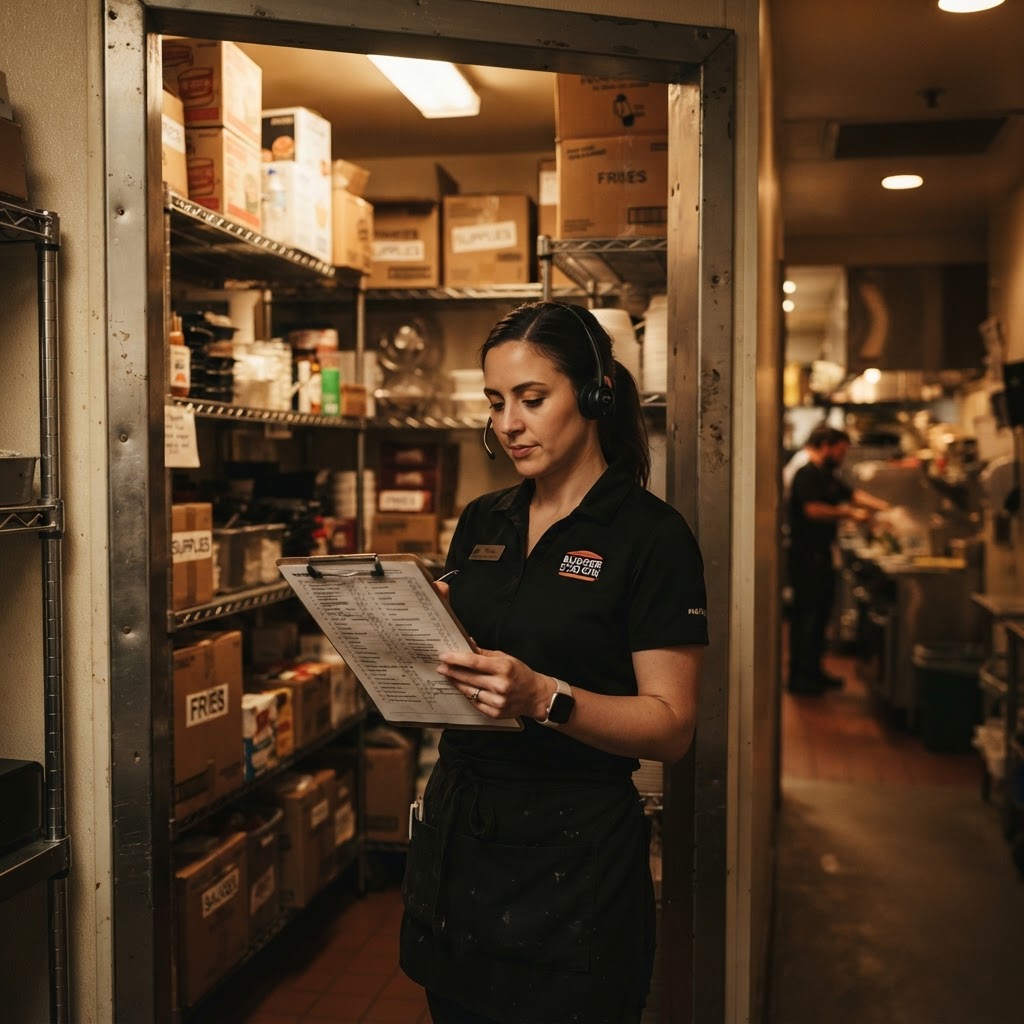
How to Create a Weekly Inventory Count Routine That Actually Gets Used
A weekly inventory count routine works when it's short, scheduled, tied to your delivery cadence, and owned by one person. Here's how to build one that sticks.
August 6, 2026
How to Create a Weekly Inventory Count Routine That Actually Gets Used
Learn how to build a weekly inventory count routine that survives busy weeks: short, scheduled, tied to your delivery cadence, and owned by one person.
August 6, 2026
How to Turn a Weekly Inventory Count Into an Order
A weekly inventory count becomes an order when you compare what you have to what you used, check PAR levels, and write exact quantities before the deadline. Here's the workflow.

August 6, 2026
How to Track Inventory on a Food Truck Without Letting Perishables Go to Waste
A practical guide to food truck inventory tracking. Learn how a weekly 5-10 minute count prevents perishable waste, replaces daily reactive supply runs, and works offline from your phone.
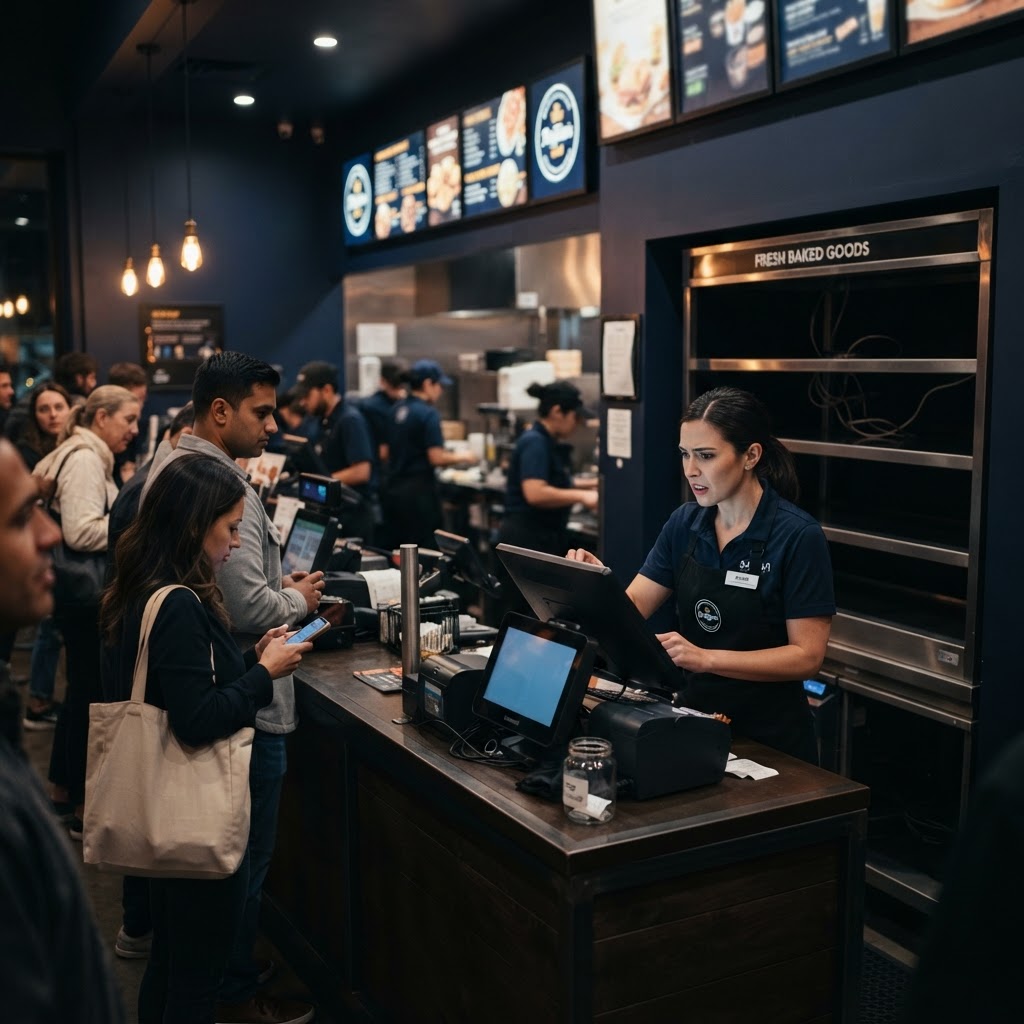
August 3, 2026
Why Do Managers Run Out of Product? (And How to Prevent Stockouts)
Stockouts happen when managers watch only the items they remember. See how weekly counts and PAR levels cover every SKU, every week.
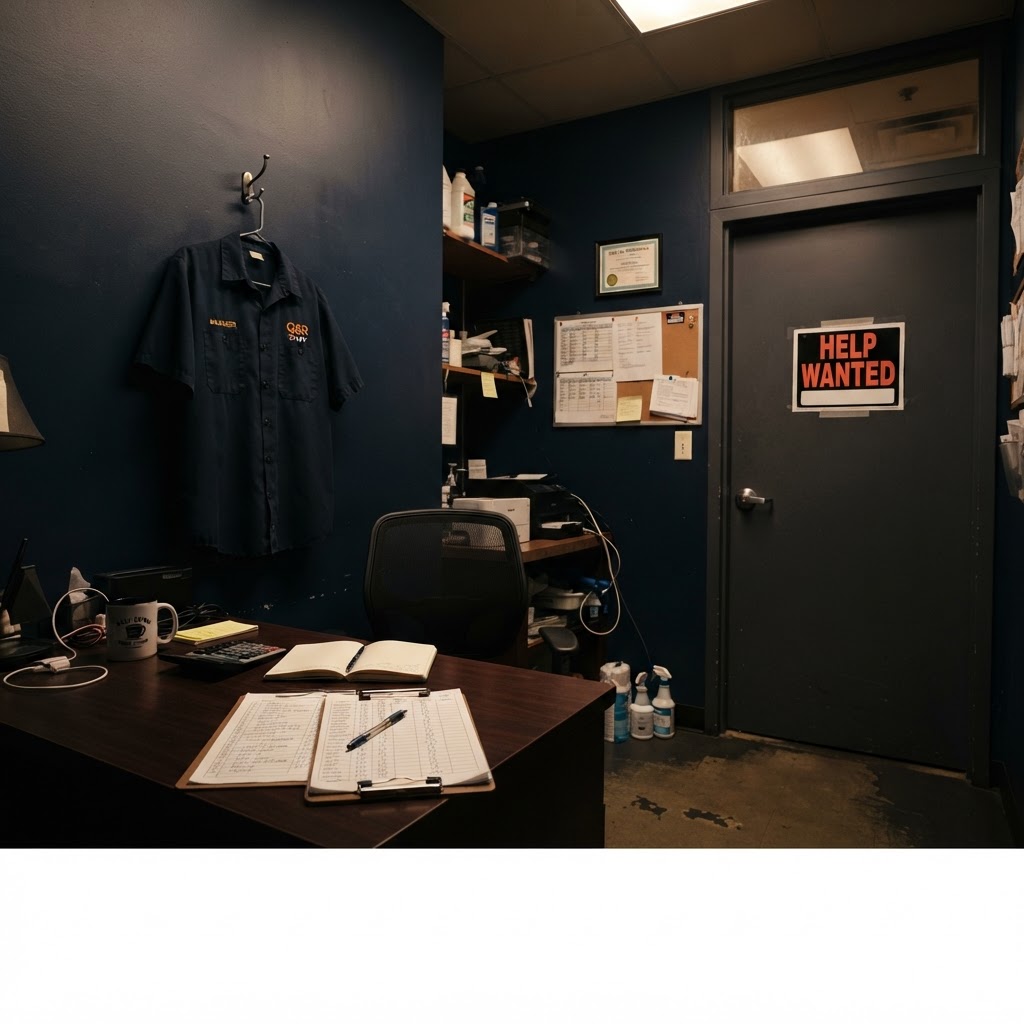
August 3, 2026
What Happens When Your Inventory Manager Quits? (And How to Survive It)
When your inventory manager leaves, they take PAR levels and supplier knowledge with them, unless it lives in a system instead of a person.
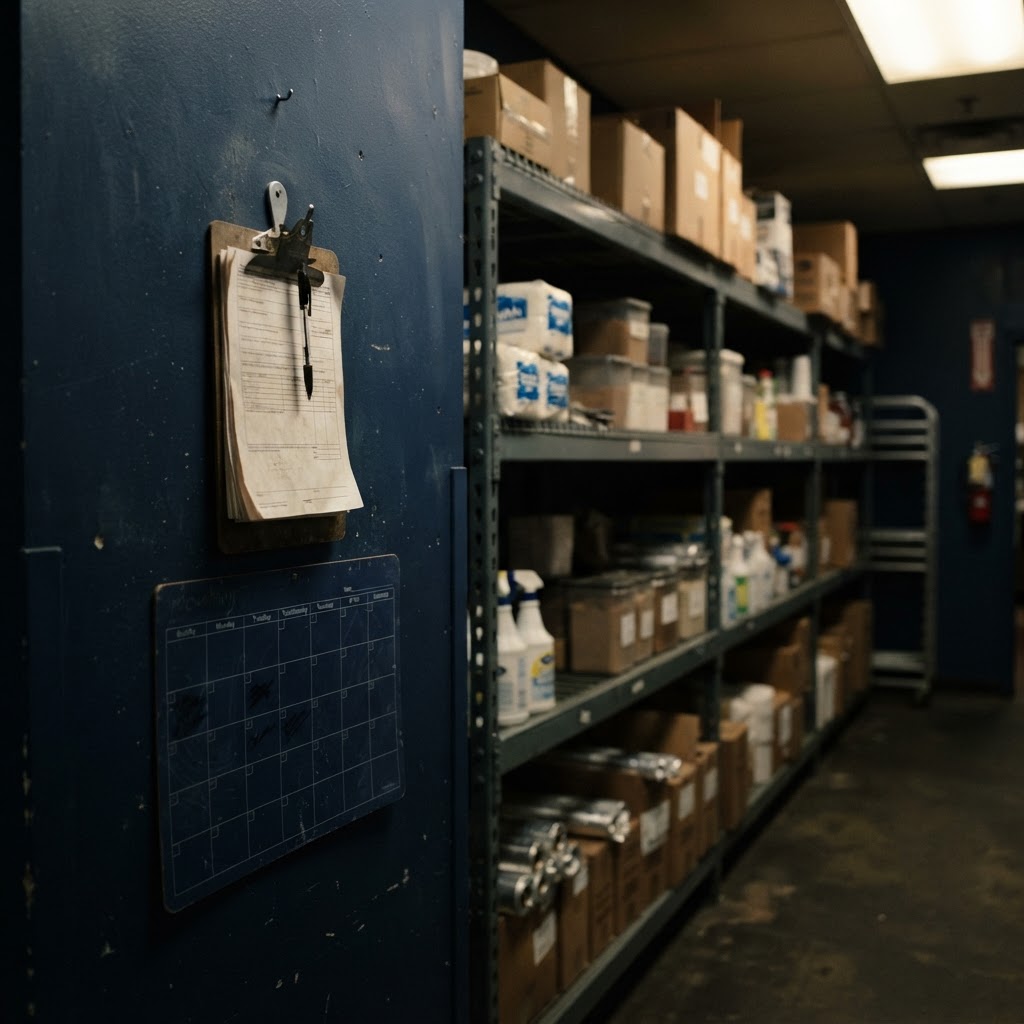
August 3, 2026
Why Do Managers Skip Inventory Counts? (And What It Costs You)
Skipped counts quietly wreck your PAR accuracy. See what each skipped week costs and how to make weekly counting a habit, not a chore.
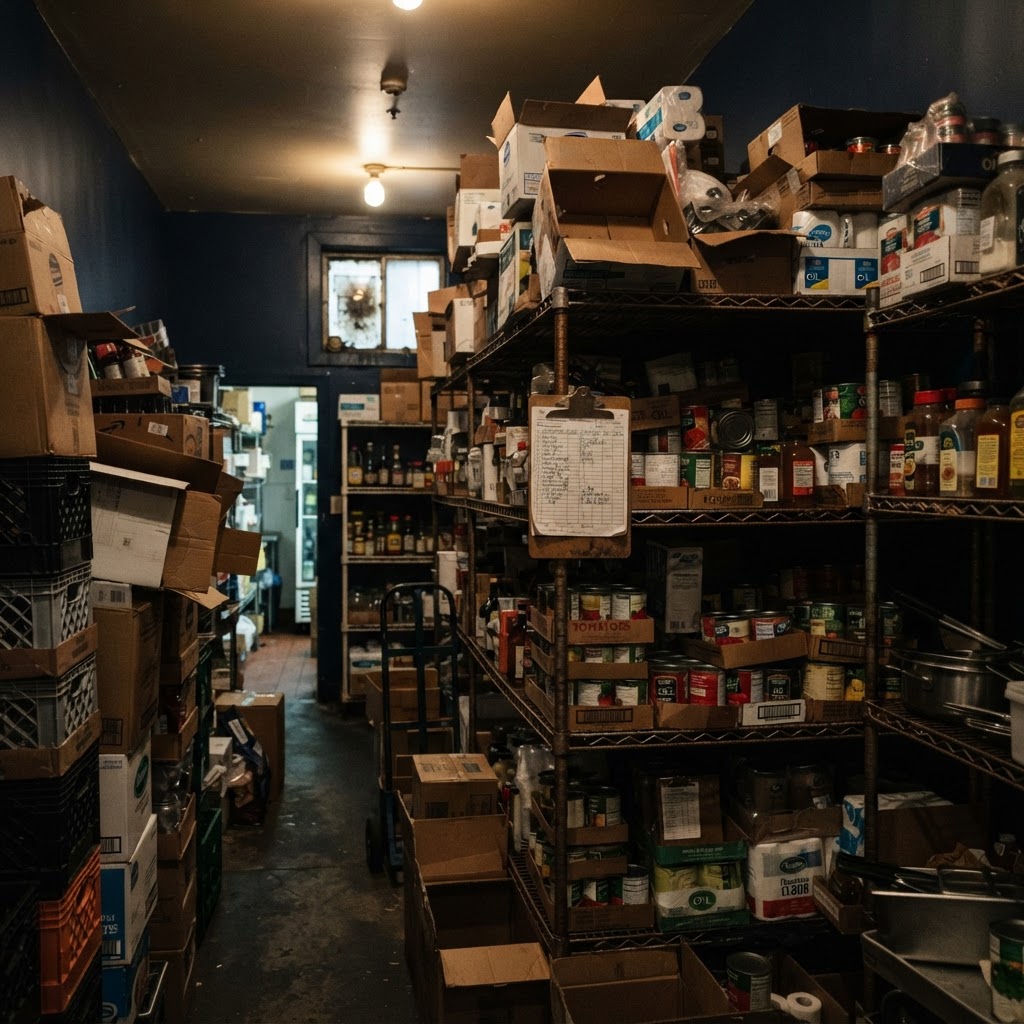
August 3, 2026
Why Do Managers Over-Order? (And How to Stop the Waste)
Managers over-order from fear, not carelessness. See how rolling PAR levels and weekly counts replace guesswork with real usage data.

July 29, 2026
Inventory Shrinkage: How to Calculate It and Cut Losses by 30-50%
Calculate your inventory shrinkage rate and cut losses by 30-50% with weekly counts. Real math, real payoff.
July 29, 2026
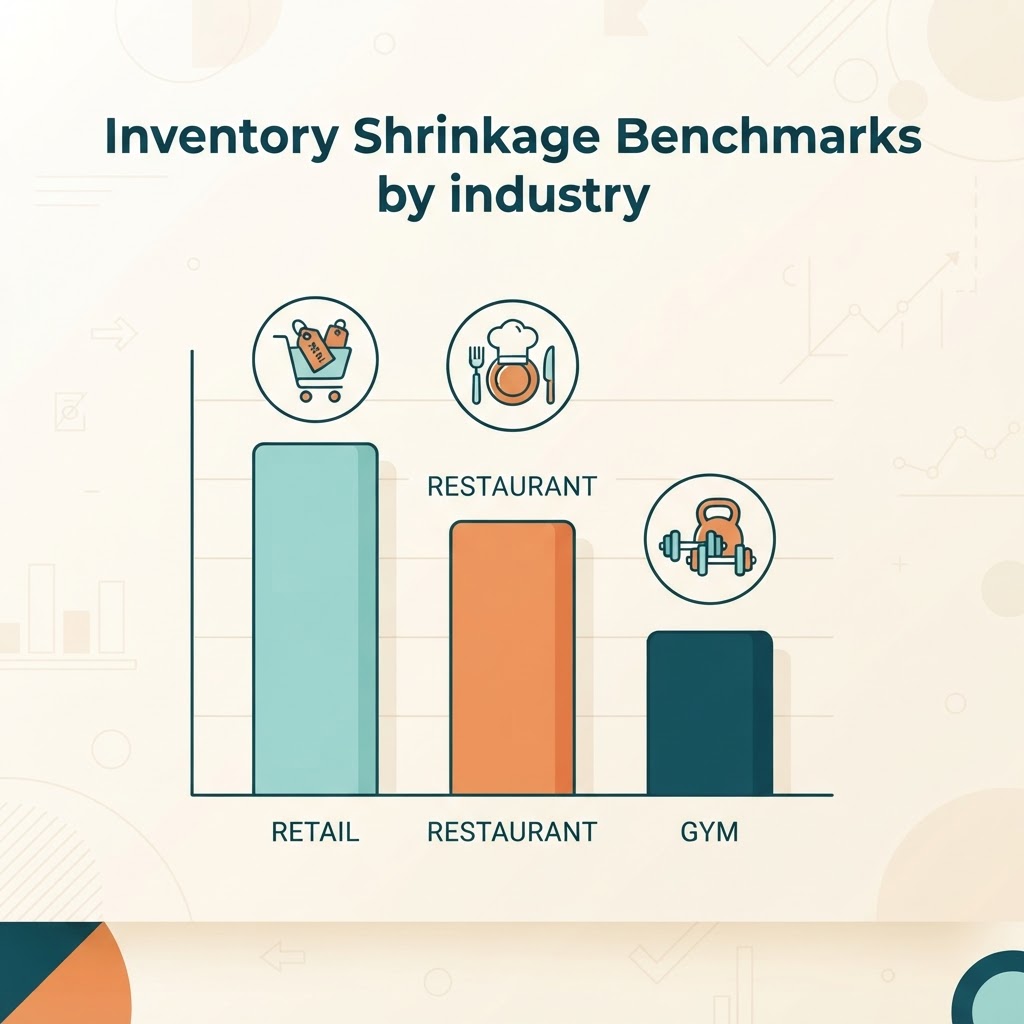
Inventory Shrinkage Benchmarks: What's a Normal Rate by Industry?
What's a normal shrinkage rate? See benchmarks by industry (retail, restaurants, gyms), the real causes, and the red flag thresholds that mean it's time to act.
July 28, 2026
Inventory Shrinkage: How to Calculate It and Cut Losses by 30-50%
Learn how to calculate inventory shrinkage, identify where you're losing money, and cut losses by 30-50% with weekly counts and PAR-based ordering.
July 28, 2026
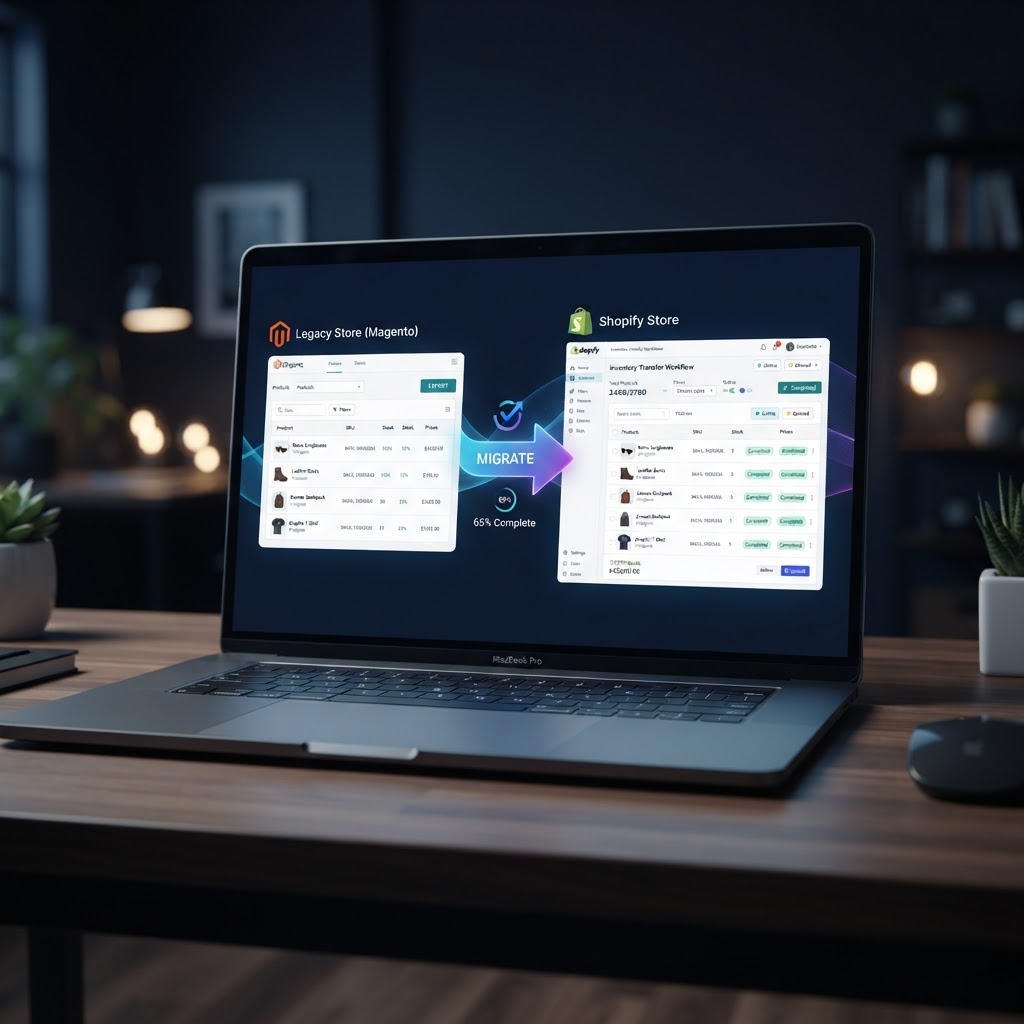
Stocky Shutting Down: Your Migration Guide & Best Alternatives
Shopify is discontinuing Stocky August 31, 2026. Here's what that means for your store, how to migrate your inventory data, and the best inventory management alternatives for Shopify merchants.

July 28, 2026
What Is a PAR Level and Why Does Your Inventory App Set It Automatically?
Learn how PAR levels work, why automatic PAR prevents over-ordering and stockouts, and how TrackItWeekly calculates PAR automatically. Built for QSR, cafes, franchises.

July 27, 2026
Why Top Managers Never Stop Learning the Business
Top managers treat learning like inventory management. They study their numbers, learn from mistakes, and stay ahead of change. Build the habit.

July 26, 2026
The Inventory App Spectrum: Why Every Tool Is Either Too Simple or Too Complex
Most inventory apps are either too simple (just scanning and lists) or too complex (enterprise ERPs at $299/month). TrackItWeekly fills the gap starting at $19/month.

July 26, 2026
Why Top Managers Develop Their Best Replacement
Top managers do not try to be irreplaceable. They build their replacement deliberately, teaching one person one new thing every week. Here is why making yo
July 25, 2026
Why Top Managers Use Systems Instead of Memory
Memory is not a system. It is a liability dressed up as convenience. Top managers build systems that work when they are tired, sick, or on vacation. Here is how to replace memory with processes that last.

July 25, 2026
Why Top Managers Trust Their Team More Than Their Own Hands
Top managers build teams instead of doing everything themselves. Here is how to delegate with trust and verification so your business grows beyond your personal capacity.

July 25, 2026
Why Top Managers Count Inventory Like It's Sacred
Top managers count inventory on the same day, same time, every week, no exceptions. Here is why the weekly count is the heartbeat of your operation and how to build counting discipline.

July 25, 2026
Why Top Managers Read the Numbers Before They React
Top managers do not react to single bad days. They read trends, verify causes, and act on data, not anxiety. Here is how to build a data review habit that prevents expensive overreactions.

July 25, 2026
Why Top Managers Coach in the Moment, Not in the Office
Top managers coach on the floor, not in the office. Immediate, specific feedback is ten times more effective than delayed lectures. Here is how to coach in the moment without destroying morale.

July 25, 2026
Why Top Managers Protect Their Time Like It's Inventory
Top managers treat their time like inventory: finite, expiring, and allocated to its highest use. Every minute on a delegatable task is a minute stolen from coaching, planning, and reading numbers.

July 25, 2026
How to Train Your Team on Inventory (So the System Survives Without You)
If one person knows the inventory system, it will break. Train your team on the system, not just the task. Teach why PAR, FIFO, and count day matter. Rotat

July 25, 2026
How to Track Inventory Shrinkage Before It Drains Your Margins
Shrinkage is the gap between what you bought and what you sold. It comes from three sources: spoilage, theft, and counting error. Track it weekly, not monthl
July 25, 2026
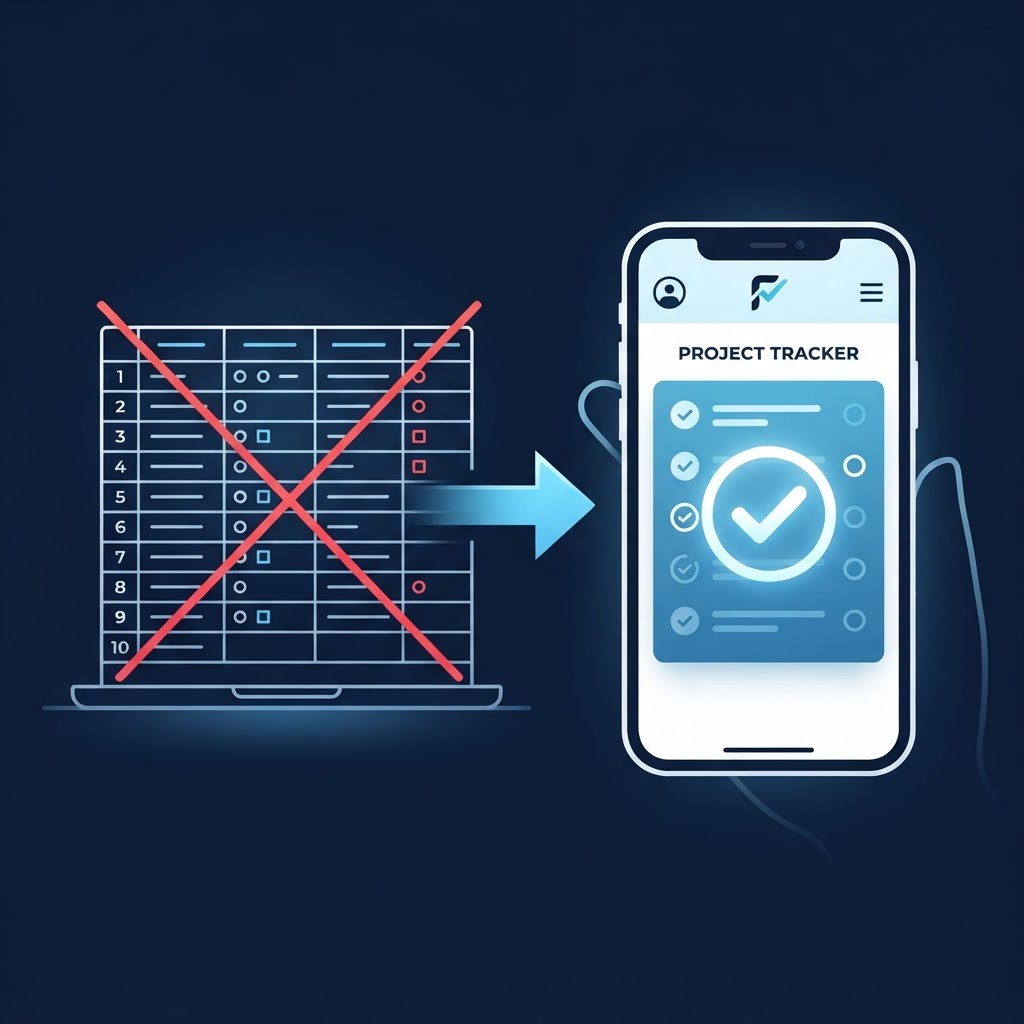
Why Spreadsheets Are Not an Inventory System
A spreadsheet shows you what you counted. It does not tell you what to order, calculate your PAR levels, or train your team. You need one simple tool that
July 25, 2026
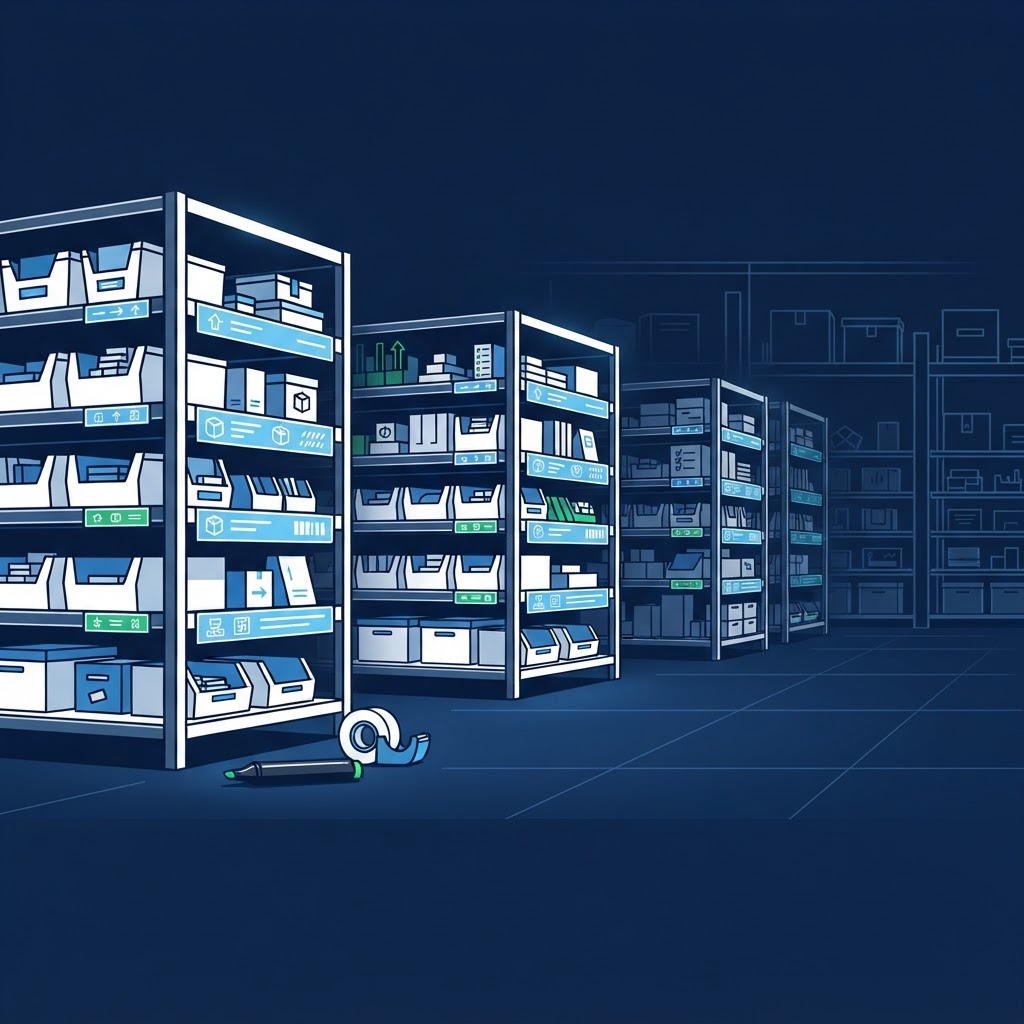
Why Labeling Everything in Your Stock Room Saves Hours Every Week
Labels turn a stock room from a memory test into a machine. Thirty seconds of labeling saves thirty minutes of searching. Label zones, shelves, bins, and i
July 25, 2026
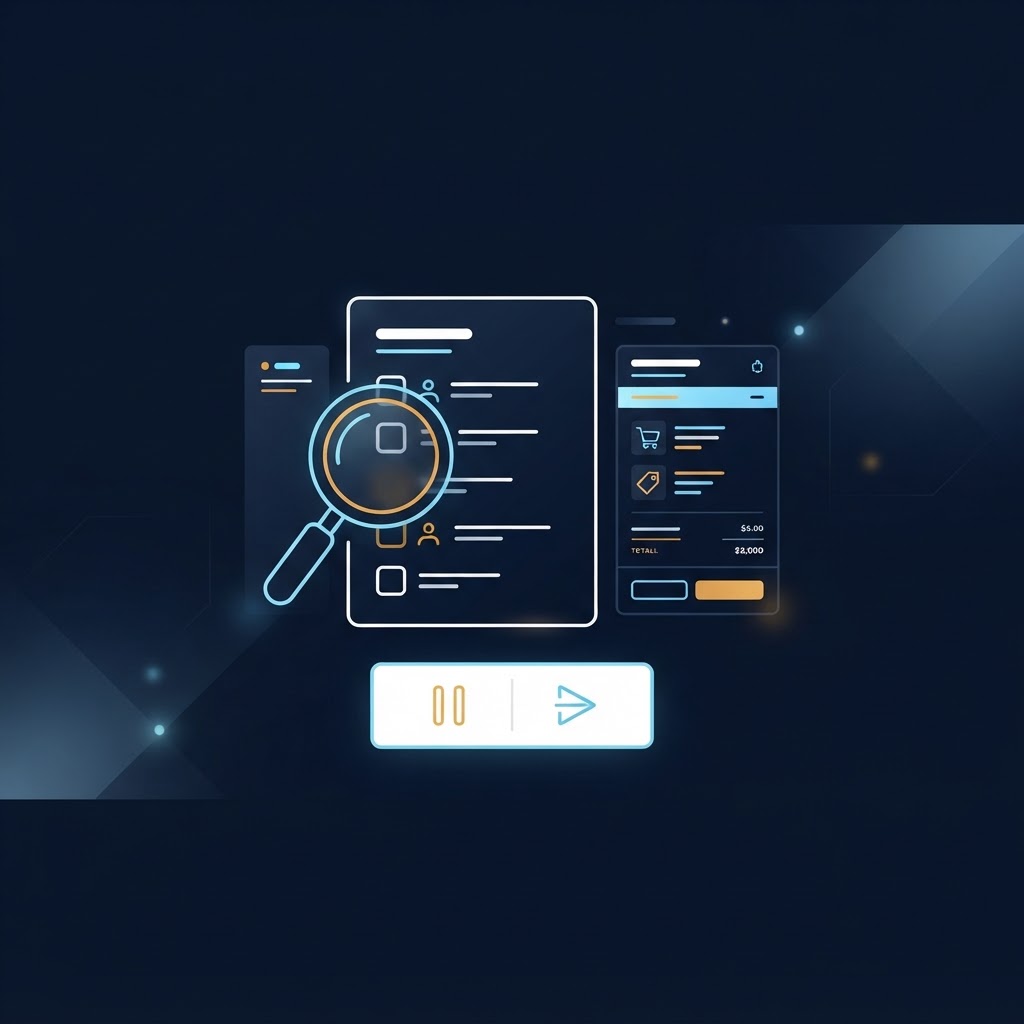
Why You Should Review Your Inventory Order Before You Send It
One missed scan can double your order. A sixty-second review catches the zeros, the duplicates, and the unit-versus-case errors before they become invoices

July 25, 2026
How to Set PAR Levels (And Why Auto-Calculation Beats Manual)
A PAR level is the minimum stock you need on hand before reordering. Auto-calculation from three-week rolling averages with seasonal multipliers removes the guesswork.

July 25, 2026
Why Guessing Your Inventory Is Costing You Money
A guess is not a count. When you estimate instead of scanning, your usage data becomes noise and your orders become guesses.

July 25, 2026
FIFO Inventory Management: First In, First Out Explained
FIFO means the first product into your stock room is the first product out. Newer stock goes behind older stock. Pull from the front every time.

July 25, 2026
Why Pick One Day a Week for Inventory Counts (And Stick to It)
Pick one day, one time, every week, and treat it like an uncancelable meeting. Consistent weekly counts give you comparable data, reveal real usage trends.

July 25, 2026
How to Organize Your Stock Room
A disorganized stock room costs you time, money, and sanity. Here's how to zone it, label it, and keep it organized week after week.

July 20, 2026
Why Is Consistency More Important Than Perfection in Inventory Counts?
Consistent weekly inventory counts catch problems faster than perfect monthly counts. Learn why 85% accuracy every week beats 99% accuracy once a quarter.

July 18, 2026
Variance Is a Question, Not an Accusation
Treating variance like blame is the fastest way to destroy inventory accuracy. Three questions before assuming: received correctly? prepped correctly? counted correctly?
July 18, 2026
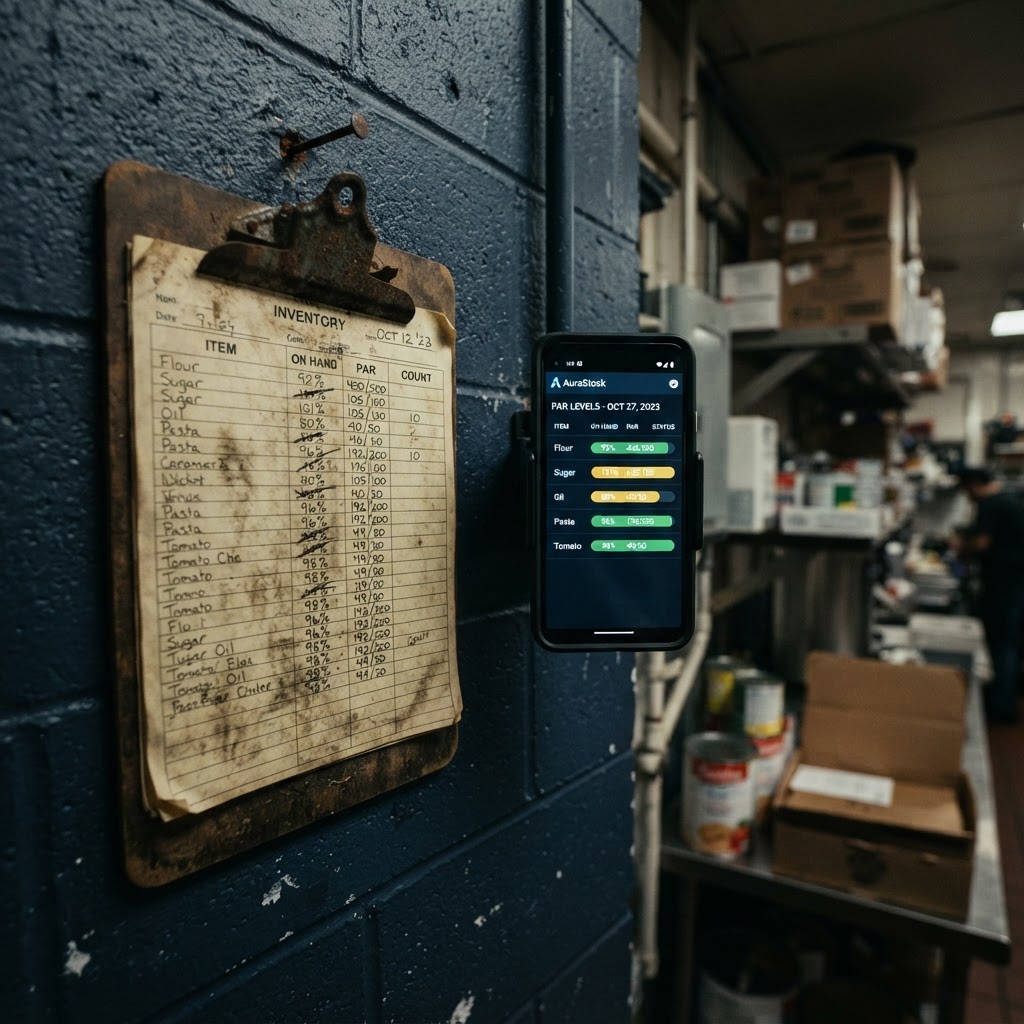
Your Par Levels Are Probably Wrong (And Have Been for Years)
Most par levels were set once, years ago, and never touched again. Stale pars cost you two ways: tied-up cash from overstock, or 86'd items during a rush.

July 18, 2026
Why Your Walk Order Is a System (Even If You Don't Know It)
The order you count inventory in matters as much as the count itself. A real walk order is boring on purpose: dry storage, walk-in, freezer, same path every time.
July 18, 2026
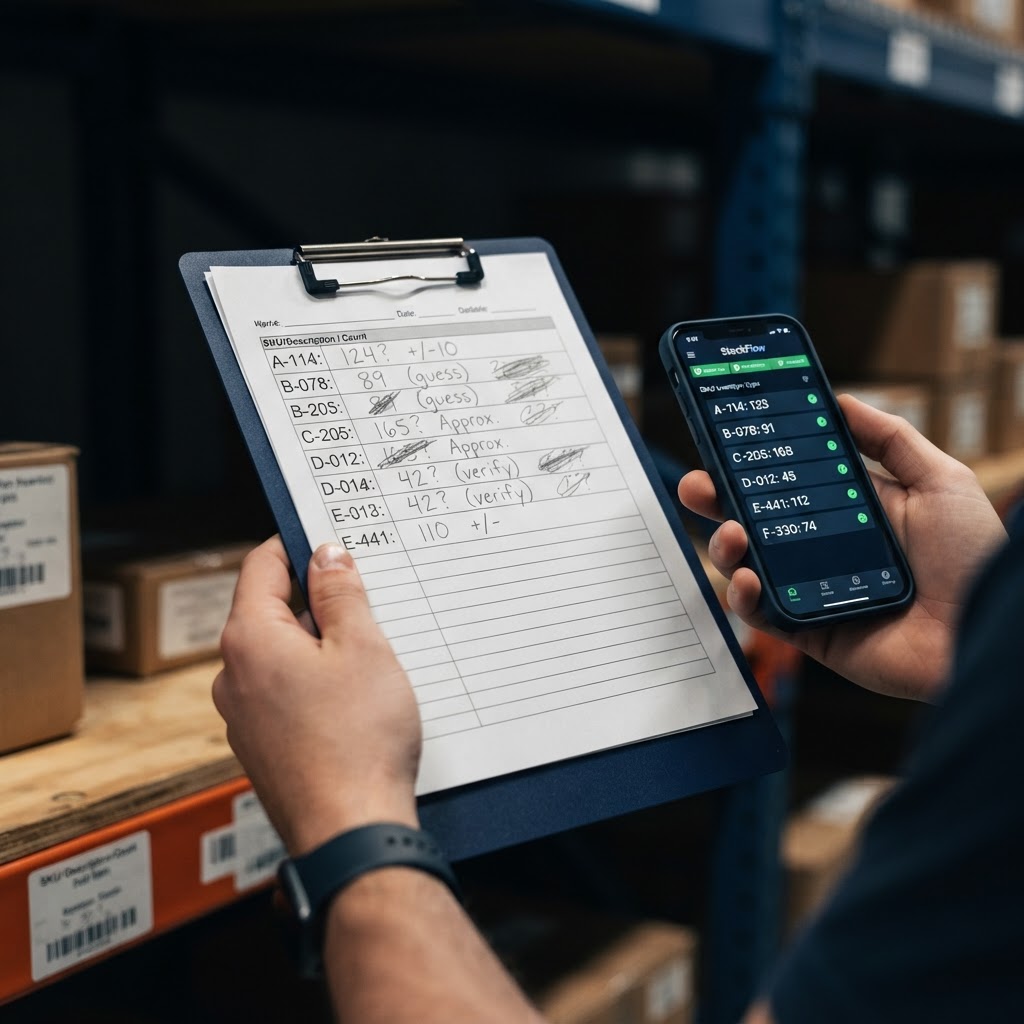
"About Half a Case" Is Not a Count: Why Guesses Look Like Data on Paper
The most dangerous inventory number is the one that looks precise but is a guess. Confident guesses are indistinguishable from real counts. Here's how to fix it.

July 18, 2026
Same Person, Same Day, Same Time: Why Consistency Beats Accuracy in Inventory
Inventory consistency matters more than accuracy. Same person, same day, same time, same walk order. Bad consistency reveals real problems. Irregular counting hides them.

July 18, 2026
When You Count Matters More Than How You Count
Inventory accuracy depends more on WHEN you count than HOW. A tired manager counting at midnight produces worse numbers than a fresh one. Here's the fix.

July 18, 2026
Safety Stock: What It Is, How to Calculate It, and How Much to Hold
Learn how to calculate safety stock for your small business with a simple formula, ABC tiering, and weekly counting. Avoid stockouts without overstocking.

July 16, 2026
Inventory Carrying Cost: What It Is, How to Calculate It, and How to Cut It
Learn how to calculate inventory carrying cost, what drives it up, and how weekly counting helps small businesses reduce holding costs and free up cash.

July 16, 2026
Dead Stock: How to Identify, Prevent, and Clear It Before It Drains Your Cash Flow
Dead stock costs 20-30% of its value annually in carrying costs. Learn to identify, prevent, and clear dead stock before it drains your cash.

July 14, 2026
What Is a Good Inventory Accuracy Rate? (How to Calculate and Improve Yours)
A good inventory accuracy rate is 95-97%. Learn how to calculate your rate, what causes low accuracy, and how weekly cycle counts can push it to 99.5%.

July 14, 2026
What Is Dead Stock and How to Stop It Before It Drains Your Cash
Dead stock ties up cash and costs 20-30% annually. Learn how weekly counting catches slow movers in week 3, not month 6, preventing dead stock before it drains your cash.